Nyepi is a sacred Hindu holiday that marks the Saka New Year in the Hindu calendar. Its date changes every year in the Gregorian calendar and usually falls in March. Unlike most New Year celebrations, which are often full of crowds and parties, Nyepi is observed with a full day of silence, usually from 6:00 a.m. until 6:00 a.m. the next day.
Although Nyepi is a Hindu holy day, it affects all activities across Bali. Tourists and people from different religions and cultural backgrounds are also expected to respect the rules during Nyepi. Traditional security officers called Pecalang help keep order and make sure the rules are followed in their areas.
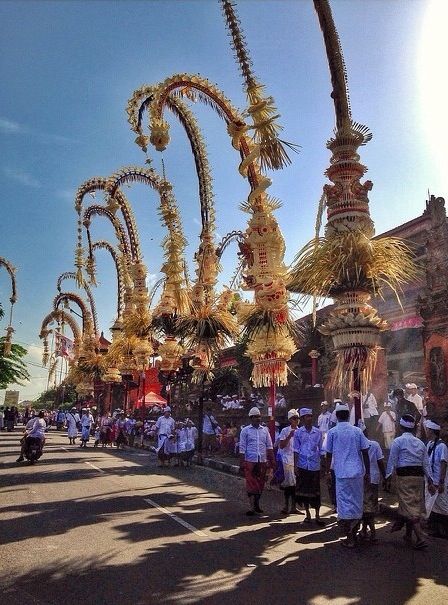
Nyepi has four main restrictions, known as Catur Brata Penyepian. They help Hindus reflect on themselves, control their desires, and maintain peace.
1. Amati Geni — Do not use fire or excessive lighting. Homes are usually kept dim so that bright lights cannot be seen from outside.
2. Amati Lelungan — Do not travel or leave home during Nyepi, except for emergencies under the rules in place.
3. Amati Karya — Do not work or carry out regular activities as usual. The day is used for rest, prayer, and self-reflection.
4. Amati Lelanguan — Do not take part in activities for entertainment or pleasure, so the atmosphere stays peaceful.
These rules make Bali look very different from an ordinary day. Streets become quiet, vehicles stay off the roads, and public activities temporarily stop. At night, outdoor lighting is also reduced. In some places, the sky may look darker and stars may be easier to see if the weather is clear.
Although the main Nyepi observance lasts about 24 hours, it is part of a series of rituals held before and after the day itself.
1. Melasti — A Purification Ritual
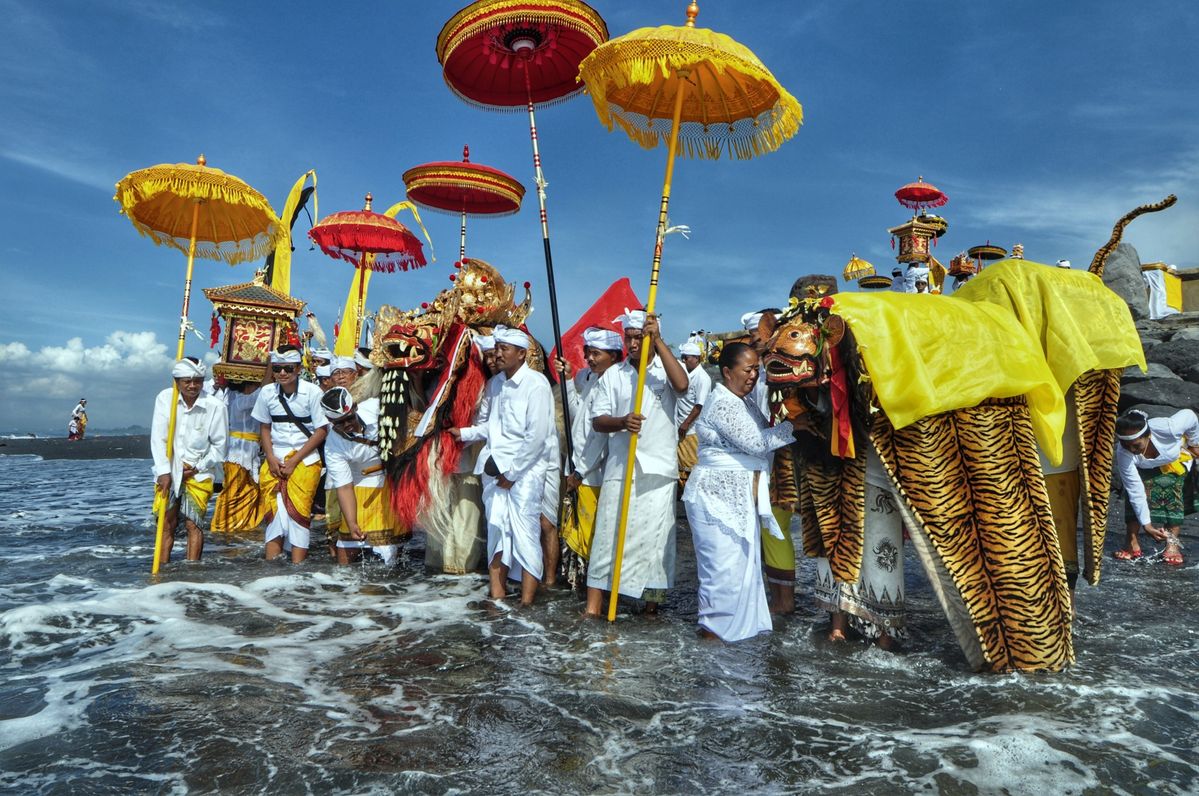
Melasti usually takes place a few days before Nyepi. Hindus join processions to the beach, a lake, or another sacred water source for a purification ritual. Sacred objects from temples may also be brought to be purified.
2. Pangrupukan and Ogoh-ogoh — The Night Before Nyepi
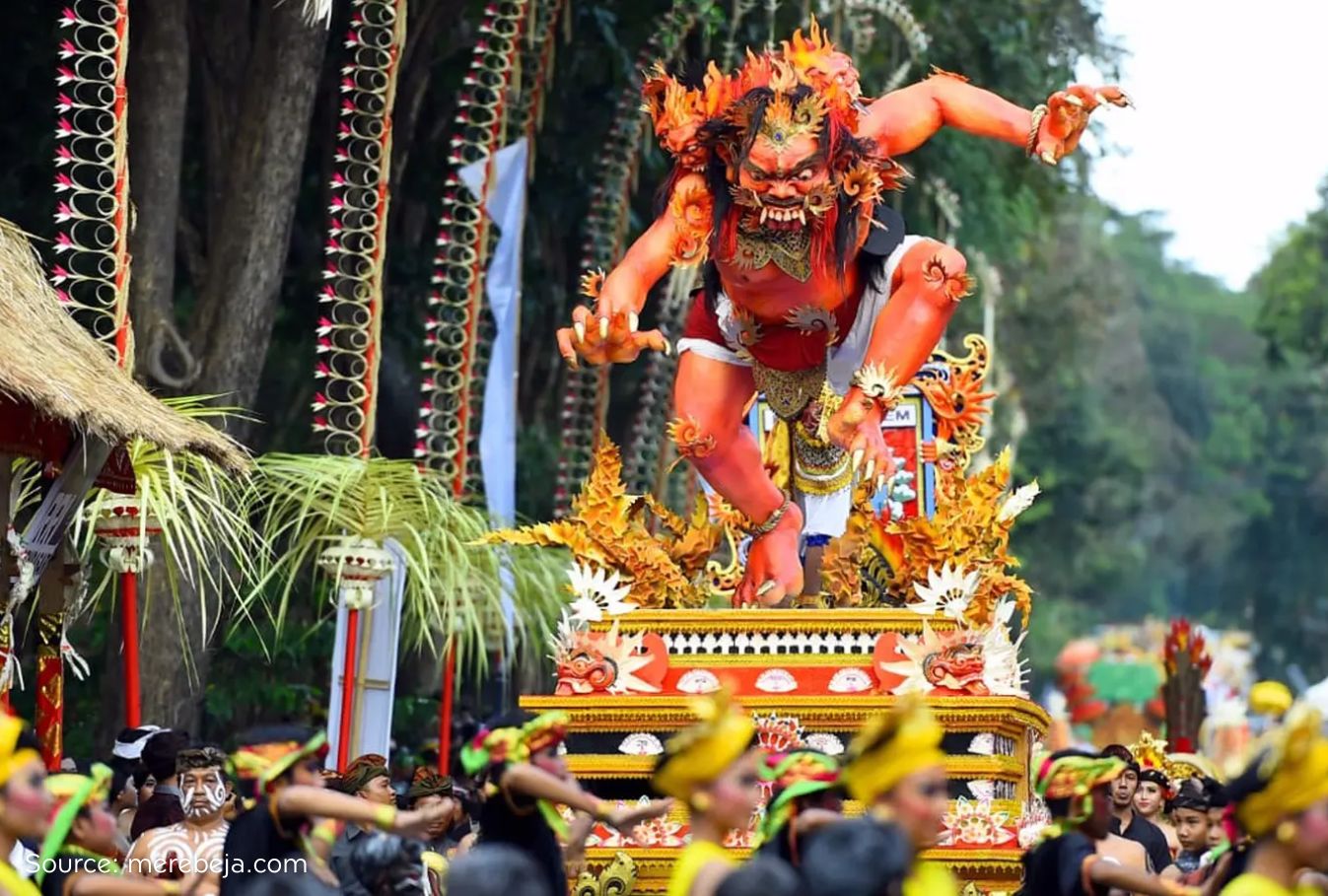
On the day before Nyepi, many areas in Bali hold Ogoh-ogoh processions. Ogoh-ogoh are large statues that usually show frightening figures or mythical creatures. They are carried through the streets with music and a lively atmosphere.
In some traditions, the Ogoh-ogoh statues are then destroyed as a symbol of removing negative elements. The tradition and how it is carried out can vary from one traditional village to another.
3. Nyepi — The Day of Silence
After the preparations are complete, people observe Catur Brata Penyepian. During this day, travel and public activities stop or are limited according to local rules. For Hindus, Nyepi is a time to pray, calm the mind, and reflect on themselves.
4. Ngembak Geni — The Day After Nyepi
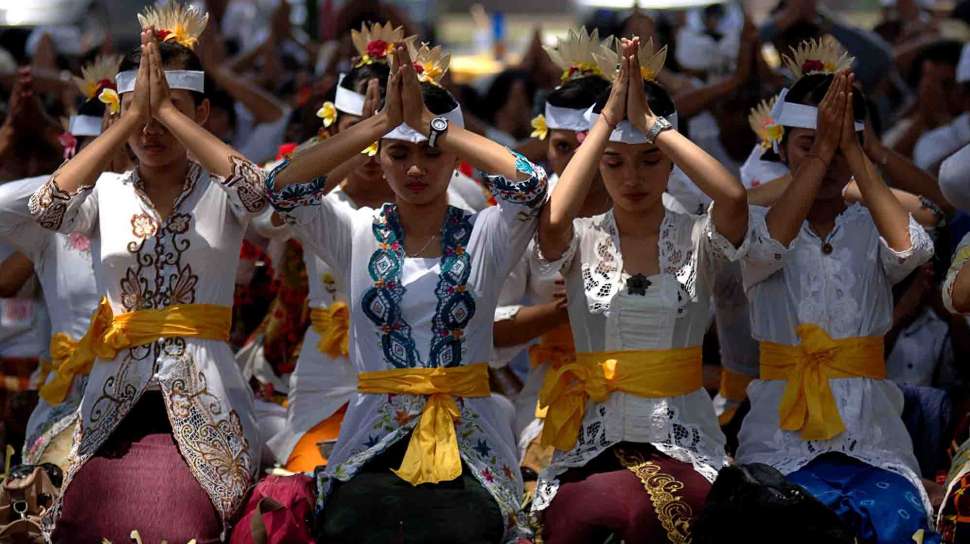
After Nyepi ends, people gradually return to their usual activities. In some communities, this day is also a time to visit family and friends, forgive one another, and strengthen relationships with people around them.
One of the most interesting things about Nyepi is how it affects activities across the whole island. I Gusti Ngurah Rai International Airport usually stops commercial flights for 24 hours, with some exceptions for emergencies. Transport and many public services also follow special rules during Nyepi.
Tourists can still stay at hotels, but they must follow the rules in place. They are generally asked to remain within their accommodation, avoid going outside, and keep noise and lighting to a minimum. Hotel services may also be limited, so it is important to ask each hotel about its policies before staying during Nyepi.
This silence is more than a rule to stop daily activities. For Balinese Hindus, Nyepi has deep spiritual meaning. It offers a chance to reflect on themselves and maintain balance between people, nature, and spiritual life.
Want to Experience a Different Side of Bali
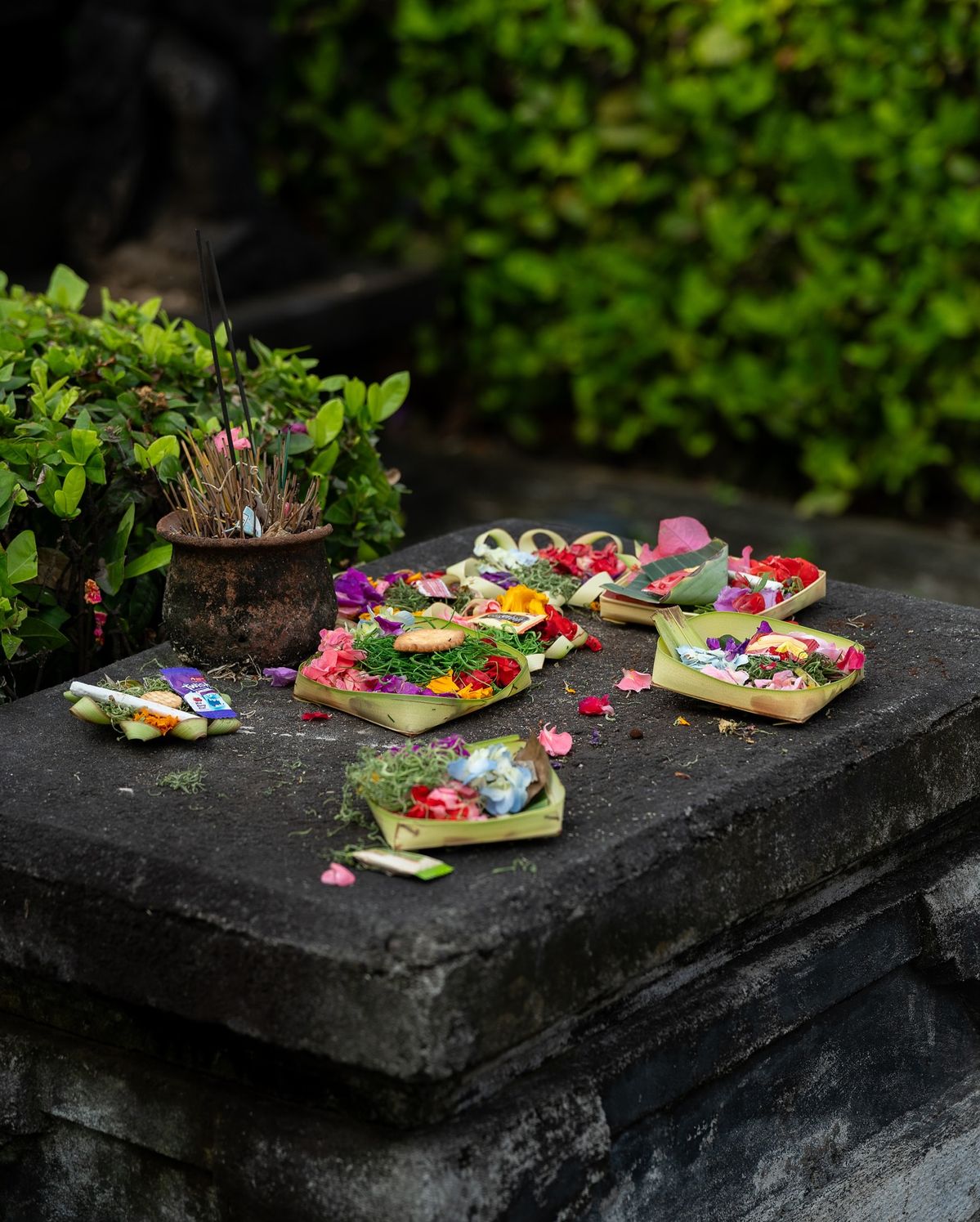
If you are tired of holidays focused only on nature, beaches, mountains, or local food, visiting Bali before Nyepi can offer a different experience. You can see the Melasti procession, watch the lively Ogoh-ogoh parade, and learn about traditions that are an important part of Balinese life.
However, if you plan to visit during Nyepi, plan your trip carefully. The airport usually stops commercial flights for the day, and tourists cannot go about their usual activities outside their accommodation. Make sure your flights, transport, and accommodation are arranged well in advance.
Because Nyepi follows the Saka calendar, its date in the Gregorian calendar changes every year. Do not rely only on dates from old articles or assume that Nyepi falls on the same date every year.
If you plan to visit Bali, here are some ways to check the date of Nyepi:
1. Check the official national holiday calendar. Look for the Joint Decree on National Holidays and Collective Leave published by the Indonesian government each year. This can be a starting point for finding the date of Nyepi.
2. Check announcements from the Bali Provincial Government. Look for information about Nyepi on the local government's official website or channels. These announcements can help you understand the rules that apply in Bali that year.
3. Check information from I Gusti Ngurah Rai International Airport. If you plan to fly to or from Bali, check official airport and airline announcements about flight schedules during Nyepi. Do not assume that flights will operate as usual.
4. Confirm details with your hotel or tour provider. Ask whether hotel services, transport, pick-up services, restaurants, and tourist activities will be available before, during, or after Nyepi.
5. Check the schedules for Melasti and Ogoh-ogoh parades in your destination. If you want to see the traditions before Nyepi, look for information from the traditional village, local government, or local organizers. Schedules and practices may vary by area.
For example, you can search for “Nyepi date 2027 Indonesia,” “Nyepi 2027 announcement Bali Provincial Government,” or “Ngurah Rai Airport Nyepi 2027.” Make sure the information comes from an official source and matches your travel year.
Travel tip: If you want to see Melasti or an Ogoh-ogoh parade, plan to arrive a few days before Nyepi. If you want to enjoy Bali after the day of silence, check flight schedules and tourist services again once activities resume. Allow enough extra time so schedule changes do not disrupt your trip.