Backpacking to Indonesia for the First Time: 5 Easy, Friendly Places to Start
Indonesia
Indonesia is wonderful archipelago made with 17,000 islands, and it has long been one of Southeast Asia's favorite backpacking countries. Affordable stays, spectacular scenery, and a well-worn trail make it easy to meet other travelers from your very first night.
The hardest part of a first trip is choosing where to start. This guide narrows it down to five beginner-friendly destinations, with notes on what each place feels like, how demanding the terrain is, and what to do there. You will also find three off-the-beaten-path bonus stops and a short list of smart-travel basics at the end.
Is Indonesia Right for a First-Time Backpacker?
Yes. Indonesia welcomed 17.1 million international visitors in 2025, and many of them traveled the way you probably will: hostel to hostel, with a backpack and a flexible plan. Most of the country is rated for normal travel precautions. The US State Department gives Indonesia a Level 2 advisory, "Exercise Increased Caution", the same tier it assigns to much of Southeast Asia. Think of it as a yellow light, not a red one: it asks you to pay attention, not to stay home. Mainland Papua is the notable exception, and it sits far from the usual backpacker routes.
In practice, a little preparation covers nearly everything. The Smart Travel Basics section at the end of this guide gives you the essentials.
What Makes a Destination Beginner-Friendly
Indonesia changes a lot from island to island, so it helps to know what to look for. The places below were chosen because they offer most of the following:
- An established backpacker scene, with hostels, tour operators, and other travelers nearby
- Easy transport that does not depend on renting a scooter
- Medical help within reach
- Conditions that suit the season you are traveling in
- A pace and atmosphere that match the kind of trip you want
Each destination also has a terrain level, so you know how physically demanding it is.
Where to Start: Beginner-Friendly Destinations
3. Yogyakarta, Central Java: The Easy Start
Terrain level: Easy
Why backpackers love it: It is compact, cheap, and rich in culture. Hostels are plentiful, street food is excellent, and the city is used to curious visitors.
Why it feels comfortable: Yogyakarta is a long-established travel hub and a university city, so young travelers are a normal sight. Hostels, tour desks, and Grab/Gojek drivers are everywhere, and the main sights sit close together.
The environment: A relaxed, creative city with a strong cultural identity and a slower pace than Jakarta. Streets around Malioboro are busy and lively, while the Kraton area and neighborhood lanes are quieter and walkable. The weather is warm and humid. Mount Merapi sits north of the city, so check its status before you go.
Do:
- Visit the Kraton (Sultan's Palace) and the Taman Sari water castle
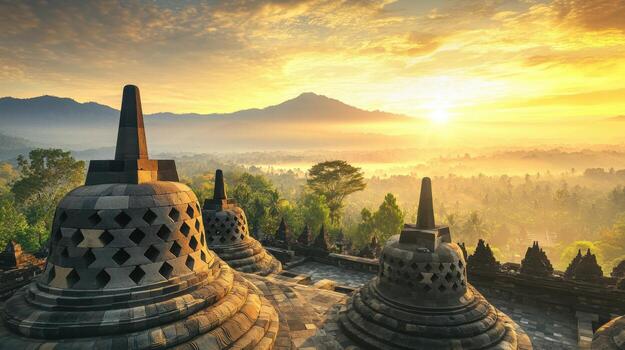
- Watch sunrise at Borobudur, and see Prambanan in the late afternoon
- Eat gudeg and angkringan snacks in the evening, and wander Malioboro
Practical: Use Grab or Gojek for short rides. Trains from Jakarta, Bandung, and Surabaya are comfortable and affordable. Book Borobudur tickets through official channels, since access to the upper levels is quota-limited and rules have changed over time.
2. Malang, East Java: The Cool Highland City
Terrain level: Easy in the city, easy to moderate on day trips.
Why backpackers love it: Malang is a relaxed university city with plenty of cafes, guesthouses, and street food stalls. Day trips are easy to arrange, and it is simple to meet other travelers and students.
Why it feels comfortable: As a student city, Malang is used to young visitors and has a lively but friendly atmosphere. The center is compact, and Grab, Gojek, and local minibuses are widely available. Most attractions are in or near the city.
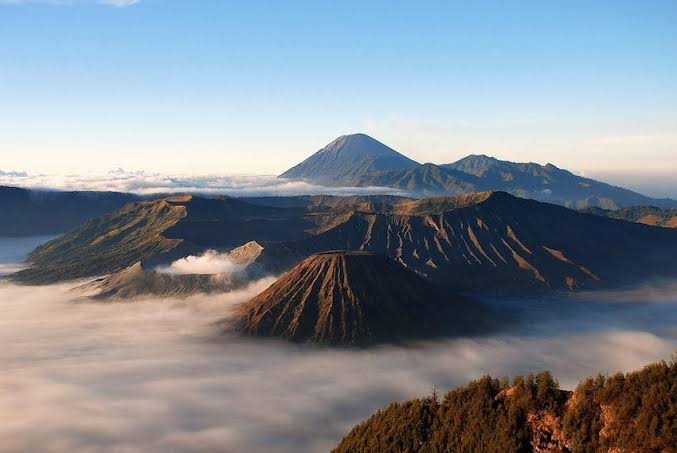
The environment: Malang sits in the highlands, so the air is cooler and fresher than in most Javanese cities. It has a colonial-era center, colorful hillside neighborhoods, and green mountains all around. Nearby Batu offers waterfalls, farms, and viewpoints. Weather can change quickly, and rain makes waterfall paths slippery.
Do:
- Walk around the old town and the colorful Jodipan and Tridi hillside villages
- Try local favorites such as bakso Malang, rawon, and cwie mie
- Visit Batu for waterfalls, flower and fruit farms, and mountain views
- Take a day trip to the southern coast, such as the Tiga Warna beach conservation area
Practical: Malang is reachable by train from Surabaya, Jakarta, and Yogyakarta. Bring a light jacket, since evenings can feel cool. Some beach and conservation areas limit visitor numbers, so check booking rules in advance.
3. Bali: Social, Scenic, but Choose Your Corner
Terrain level: Easy (busy roads, so plan your transport)
Why backpackers love it: It is Indonesia's most social island, with coworking spaces, yoga studios, surf schools, and hostels everywhere.
Why it feels comfortable: Bali has the most developed tourism infrastructure in Indonesia: plenty of accommodation, tour operators, clinics, and English-speaking staff. You will always find other travelers nearby, which makes it easy to ask for help or join a group.
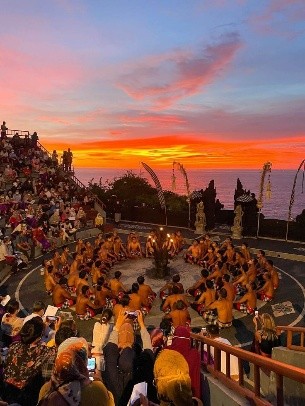
The environment: The south (Canggu, Seminyak, Uluwatu) is busy, with lots of traffic and nightlife. Ubud is greener and calmer, built around rice terraces, temples, and wellness. East and North Bali are quiet and slow, with small villages and fewer crowds. Pick the area that matches the pace you want.
Do:
- Ubud: rice terraces, cooking classes, and temples
- Canggu: surfing, cafes, and a lively social scene
- Uluwatu: cliffs, beaches, and sunset spots
- East and North Bali: quieter villages, diving at Amed, and waterfalls
- Practical: Traffic is busy, so if you rent a scooter, make sure you are licensed and insured. Respect temple dress codes and local rules; authorities have tightened immigration screening for visitors who break them
4. Lombok & the Gili Islands: Beaches Without the Crowds
Terrain level: Easy on the Gilis, moderate around Lombok, challenging on Mount Rinjani
Why backpackers love it: Lombok offers Bali-style beaches and surf with fewer crowds, and the three Gili islands each have their own vibe. Gili T is for parties, Gili Air is balanced, and Gili Meno is quiet.
Why it feels comfortable: The Gili islands have no cars or motorbikes, only bicycles, horse carts, and walking. That keeps the pace slow and the roads quiet. The islands are small, so it is hard to get lost, and travelers tend to move in the same social circles.
The environment: Small, laid-back beach islands with clear water, snorkeling spots, and simple beachfront stays. Lombok's mainland is larger and quieter, with surf
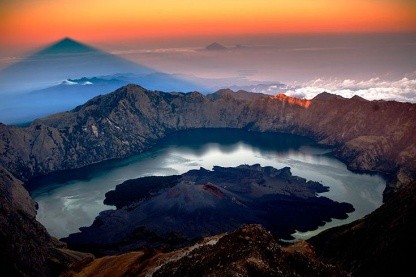
towns like Kuta Lombok and long, winding roads. The region is earthquake-prone, so stay flexible with your plans.
Do:
- Surf and beach-hop around Kuta Lombok
- Snorkel with turtles off the Gilis
Practical: Fast boats run from Bali to the Gilis, and the ride can be rough, so check the weather and choose a reputable operator.
5. Labuan Bajo & Flores: Komodo Dragons and B
oat Trips
Terrain level: Easy to moderate (the Padar viewpoint climb is steep and exposed)
Why backpackers love it: Shared "open trip" boat tours, typically 2 to 4 days, are made for solo travelers. You join strangers on a boat and leave as friends.

Why it feels comfortable: Trips are organized and run in groups, and visits to Komodo National Park are done with park rangers. Spending days and nights on a shared boat also means you are always surrounded by a crew and other travelers.
The environment: Labuan Bajo is a small harbor town that serves as the base for boat trips. The landscape is dry and hilly, with savanna, bare hills, and clear blue water. It is hot and sunny, and sea currents around the islands can be strong, so good boat operators matter.
Do:
- See Komodo dragons at Komodo or Rinca Island
- Hike Padar Island for the famous viewpoint, and bring plenty of water
- Snorkel with manta rays at designated spots (conditions vary)
Practical: This is the splurge of the route. Compare operators carefully, check safety equipment and reviews, and confirm what park fees are included in the price.
6. Bonus: Off the Beaten Path
For travelers with extra time, these three stops reward the extra effort:
- Tana Toraja, Sulawesi: unique funeral traditions and highland scenery. A cool, green region with a welcoming community. Funeral ceremonies are important to local people, so dress modestly and ask before taking photos. The trip from Makassar is long and winding, so plan for it. Terrain: moderate.
- Pulau Weh, Aceh: snorkeling and diving at the western tip of Indonesia. A small, quiet island with a relaxed pace. Aceh follows local Islamic customs, so dress modestly away from the beach and respect local norms. Terrain: easy.
- Karimunjawa, Central Java: quiet island-hopping in a small archipelago with simple stays and a calm atmosphere. Boat crossings depend on the weather, so keep your schedule flexible. Terrain: easy.
Indonesia rewards travelers who prepare a little and stay flexible. Start with an easy, well-connected base like Yogyakarta or Malang, add a beach stop on the Gilis, and build up to bigger adventures once you know how the country works. Solo backpacking here rarely means being alone.
Where are you planning to start your Indonesian adventure?
Source:
[1] U.S. Department of State, Indonesia Travel Advisory: https://travel.state.gov/en/international-travel/travel-advisories/indonesia.html
[2] Travel Warning Check, Indonesia advisory summary: https://www.travelwarningcheck.com/travel-advisory/indonesia
[3] Jakarta Globe, Bali tightens immigration patrols as crimes involving foreign tourists rise: https://jakartaglobe.id/news/bali-tightens-immigration-patrols-as-crimes-involving-foreign-tourists-rise
[4] The Traveler, Is it safe to travel to Indonesia in 2026?: https://www.thetraveler.org/is-it-safe-to-travel-to-indonesia-in-2026/
[5] RRI, NTT tourism destinations close after magnitude 7.7 earthquake: https://rri.co.id/voice-of-indonesia/tourism/2664320/ntt-tourism-destinations-close-after-magnitude-77-earthquake
[6] Indonesia Business Post, Mt Rinjani trail closure: https://indonesiabusinesspost.com/4783/policy/mt-rinjani-trail-closure-sparks-renewed-call-for-safer-smarter-mountain-tourism
[7] The Sun (Malaysia), Indonesia urges safer hiking on Mount Rinjani: https://thesun.my/news/world-news/indonesia-urges-safer-hiking-after-tourist-death-on-mount-rinjani-hb14371350/